HUMAN JUDGMENT
Where does human judgment matter?
When a system recommends a course of action, I want to know what happens if someone with experience thinks it’s wrong. Can they pause the decision? Who will hear their reasons?
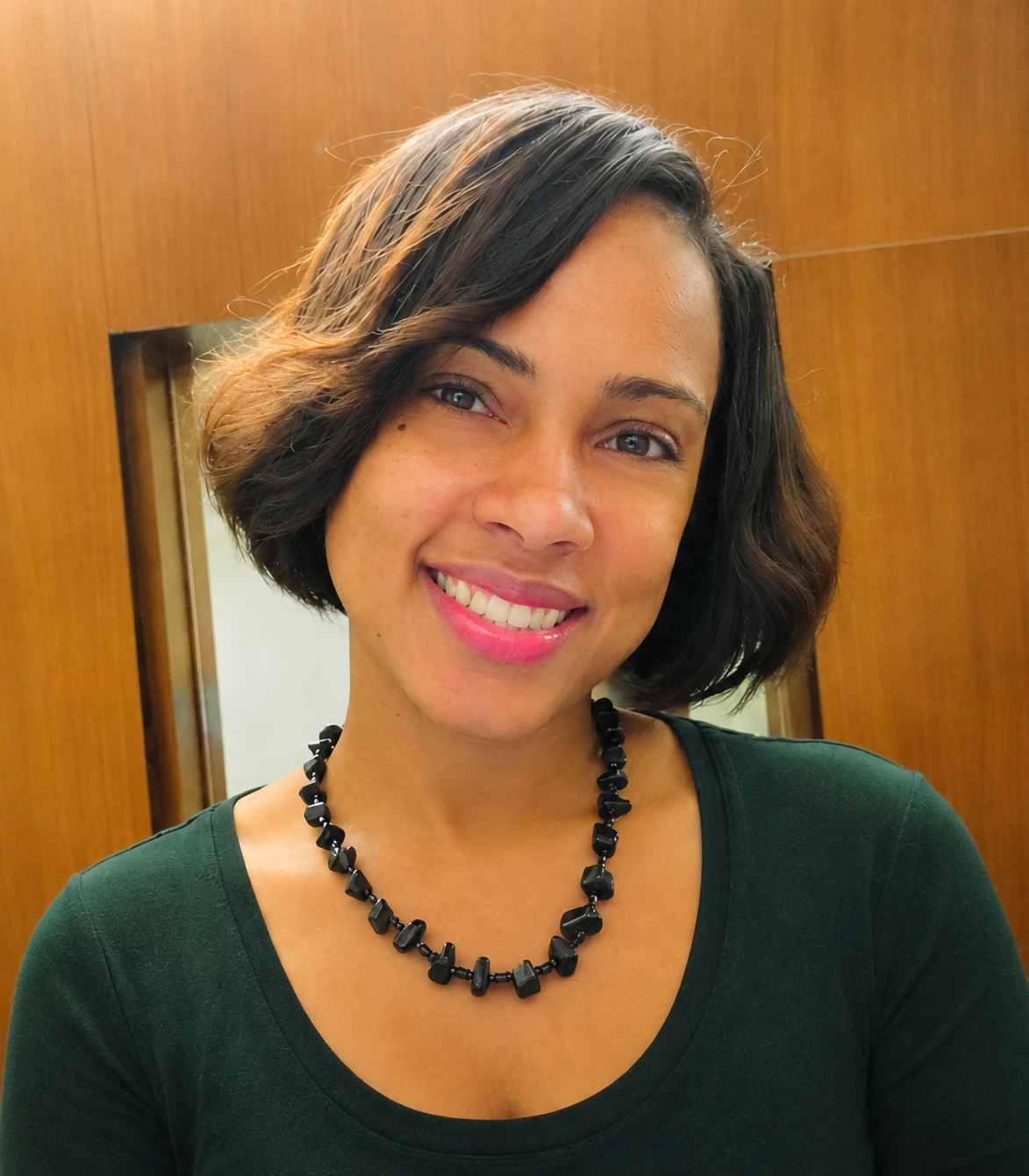
About Trecia Warnholz
When someone asks, “How do we make this easier to use?” I often want to know, “What are we asking people to do in the first place?”
In more than twenty years of building products, managing technology and leading teams, I’ve learned to pay attention to the choices that start to feel inevitable simply because someone has already designed them into the system.
I believe the people who will live with a technology should have a say while the choices are still open.
I love that I can take an idea I can barely explain and build something another person can try. My favourite part is when they do something I never imagined. I can know exactly how a thing works and still learn something from the way it fits into somebody else’s life.
When a change saves someone an hour, I want to know where that hour went. Maybe it gave someone time to call a family they’d otherwise have sent a form letter. Maybe a colleague spent that same hour checking every letter before it went out. I want to hear from both of them before I call that progress.
These days, AI can offer a recommendation before everyone in the room has had a chance to speak. I want someone to be able to say, “It works differently where I sit,” and have the time to show us why. That’s what human agency means to me. Their experience should carry enough weight to change the decision, even when the plan they’re asking me to rethink is mine.
A person can spot a mistake and still need someone else’s permission to put it right. I look at decisions through these nine human variables to understand how much say people really have.
 Human
Select a variable to explore how it shapes the work.
HUMAN JUDGMENT
When a system recommends a course of action, I want to know what happens if someone with experience thinks it’s wrong. Can they pause the decision? Who will hear their reasons?
CONTEXT
Goals, working conditions, culture and constraints shape what a change will mean in practice. The work begins with how an organisation actually operates, including the pressures and relationships a technical brief can miss.
LIVED EXPERIENCE
People carry knowledge that rarely appears in a process diagram: the exceptions, workarounds and relationships that keep things moving. Making space for that experience helps reveal assumptions and questions worth testing.
PARTICIPATION
I ask who was there when the question was framed. Someone invited to comment on a finished plan has a very different say from someone who can still change the brief.
KNOWLEDGE
Useful knowledge needs context, clear ownership and a way to check its source. The work connects information practices with knowledge systems so people can find what they need and recognise what is incomplete, outdated or uncertain.
TRUST
Trust needs a basis people can examine. Clear explanations, visible limits and a way to raise concerns help teams assess whether a system deserves their confidence, where it needs testing and what should happen when it falls short.
CAPACITY
If a team can produce a draft in minutes, I want to know who has time to check it. That work belongs in the reckoning too. If AI saves time, who gets that time back?
ACCOUNTABILITY
Responsibility needs to be clear before a system becomes part of everyday work. Governance connects decisions with named owners, review points and practical routes for people to question, correct or stop what is happening.
CONSEQUENCES
I follow a decision far enough to see who gains time, who takes on work and who can ask for a change. It matters whether their answer can still alter what happens next.